


Lemon Aspen: Nutritional Value & What the Science Says
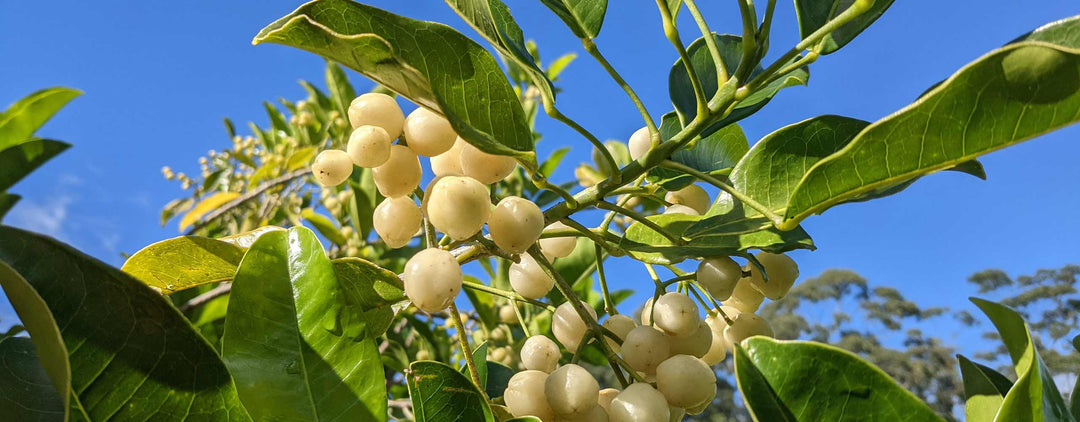
Lemon aspen is an Australian native citrus fruit known for its bright, tangy flavour and refreshing aroma.
It is increasingly used in food products and culinary applications, and has gained attention for its nutritional profile. This article explores what is currently supported by science and where further research is needed.
What is Lemon Aspen?
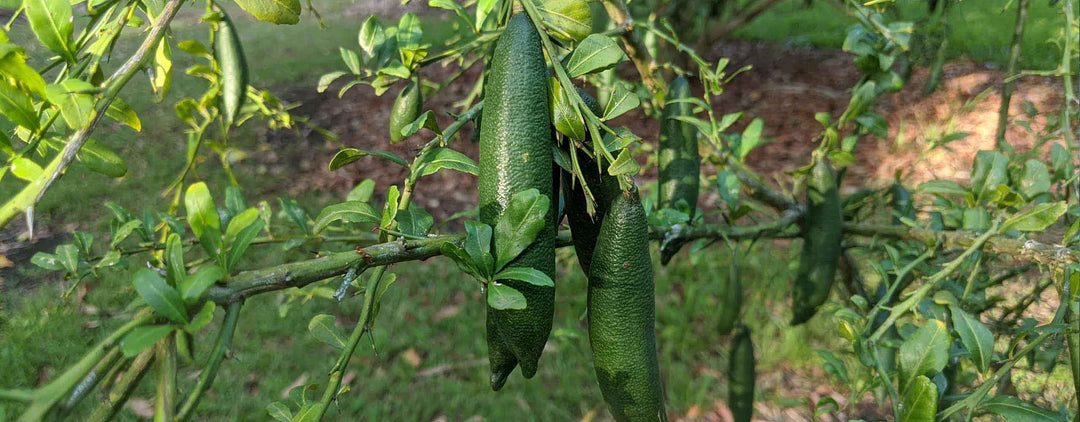
Lemon aspen is a small rainforest fruit native to northern Australia. It has a tart flavour often described as a mix of grapefruit and lemon, making it popular in sauces, beverages, and desserts.
Like other citrus fruits, lemon aspen contains a range of nutrients and plant compounds.
Nutritional Profile of Lemon Aspen
Available research and general citrus composition data indicate that lemon aspen contains:
- Vitamin C
- Dietary fibre
- Organic acids
- Polyphenols and flavonoids
Vitamin C Content
Lemon aspen contains vitamin C, an essential nutrient involved in immune function, collagen production, and antioxidant protection (National Institutes of Health).
While vitamin C is present, comprehensive quantitative data for lemon aspen is limited, and it is not considered among the highest natural sources compared to fruits such as Kakadu plum.
Antioxidants and Polyphenols
Lemon aspen contains polyphenols and flavonoids, which are naturally occurring plant compounds found across many fruits.
Polyphenols have been widely studied for their antioxidant activity, helping to protect cells from oxidative stress (Food Research International).
Emerging Research and Potential Benefits
Research into Australian native fruits is ongoing, with growing interest in their potential as functional food ingredients.
While citrus fruits are generally associated with beneficial compounds such as vitamin C and polyphenols, there are currently limited human clinical studies specifically investigating lemon aspen.
As a result, most health-related claims beyond basic nutrition should be considered preliminary.
Important Considerations
When interpreting the benefits of lemon aspen, it is important to note:
- It is not a medicine and is not intended to treat or prevent disease
- Most research is based on general citrus or plant compound studies
- Scientific research specific to lemon aspen is still developing
A Functional Native Citrus Ingredient
Lemon aspen is best understood as a functional citrus fruit that contributes flavour and nutritional value, including vitamin C and plant-based antioxidants.
Its main value lies in its versatility in cooking and its role as part of a balanced diet.
How to Use Lemon Aspen
Lemon aspen is commonly used in:
- Drinks and cocktails
- Sauces and dressings
- Desserts and jams
- Functional food products
Its bright acidity makes it an excellent substitute for traditional citrus in many recipes.
Final Thoughts
Lemon aspen is a unique Australian native fruit with a refreshing flavour and a developing scientific profile.
While it contains vitamin C and polyphenols, most health-related benefits beyond basic nutrition are still being researched.
It is best positioned as a nutrient-containing native citrus fruit rather than a medically proven health product.
References
- National Institutes of Health – Vitamin C Fact Sheet
- Food Research International – Native fruit bioactive compounds
We aim to provide evidence-based information and reference scientific sources where available. However, research into native foods is ongoing and evolving. This article is for informational purposes only and does not constitute medical advice. Please read our Disclaimer for more information.



Leave a comment