


What Is the Highest Natural Source of Vitamin C?
Many people assume the answer is oranges.
It isn’t.
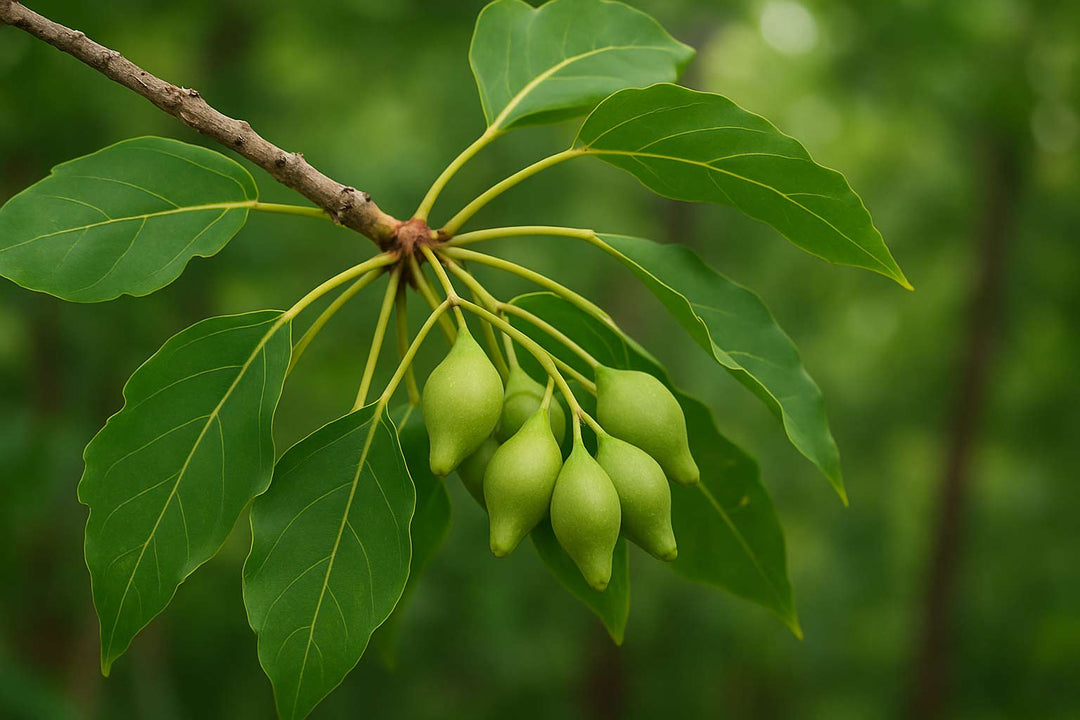
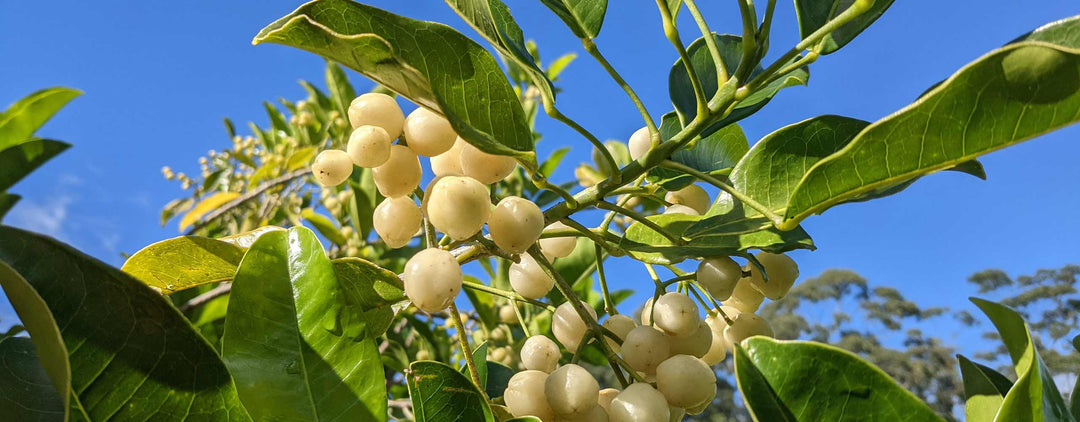
Kakadu plum (Terminalia ferdinandiana) is an Australian native fruit widely recognised for its exceptionally high vitamin C content and strong antioxidant profile.
It has gained global attention as a functional food ingredient due to its unique nutritional composition. This article explores the scientific evidence behind Kakadu plum and what current research actually supports.
Vitamin C Content of Kakadu Plum
Kakadu plum is considered one of the richest natural sources of vitamin C in the world.
Scientific studies have reported vitamin C levels ranging from approximately 2,300 mg to over 5,000 mg per 100 g of fresh fruit, depending on growing conditions, maturity, and processing methods (ResearchGate study, University of Queensland research).
Other studies analysing freeze-dried Kakadu plum have reported even higher concentrations when measured on a dry-weight basis (Scientific study).
This makes Kakadu plum significantly higher in vitamin C than commonly consumed fruits such as oranges, which typically contain around 50 mg per 100 g (Healthline).
Why Vitamin C Matters
Vitamin C (ascorbic acid) is an essential nutrient involved in several key biological processes, including:
- Supporting normal immune system function
- Collagen production for skin, joints, and connective tissue
- Antioxidant protection against oxidative stress
- Enhancing iron absorption from plant-based foods
These roles are well established in human nutrition science (National Institutes of Health).
Antioxidants and Bioactive Compounds
In addition to vitamin C, Kakadu plum contains a range of bioactive compounds, including:
- Polyphenols
- Ellagic acid
- Gallic acid
Research has shown that Kakadu plum exhibits strong antioxidant activity, which is largely attributed to these compounds (Zhou et al., 2023).
Antioxidants help protect cells from oxidative stress, which is associated with ageing and various chronic conditions.
Scientific Research and Functional Food Potential
Kakadu plum has been widely studied for its potential as a functional food ingredient.
Research indicates that Kakadu plum contains high levels of vitamin C and phenolic compounds, supporting its use in food innovation and nutraceutical applications (Zhou et al., 2023).
Some laboratory studies have explored potential antimicrobial, antioxidant, and metabolic effects. However, these findings are primarily based on in vitro or preclinical models and should not be interpreted as confirmed health outcomes in humans.
Important Considerations
While Kakadu plum is nutritionally impressive, it is important to interpret its benefits accurately:
- It is not a medicine and is not intended to treat or prevent disease
- Most health-related research beyond basic nutrition is still in early stages
- Vitamin C content can vary depending on processing, storage, and origin
In particular, vitamin C is sensitive to heat, light, and oxygen, which can affect levels during processing and storage.
Kakadu Plum vs Other Fruits
Compared to common fruits, Kakadu plum contains significantly higher levels of vitamin C.
For example:
- Kakadu plum: up to ~2,900–5,300 mg per 100 g
- Orange: ~50 mg per 100 g
This makes Kakadu plum one of the most concentrated natural sources of vitamin C currently known (Healthline).

Fresh vs Freeze-Dried Kakadu Plum
Vitamin C is heat-sensitive. Traditional drying methods can degrade delicate nutrients.
Freeze-drying removes moisture at low temperatures, helping preserve:
- Heat-sensitive vitamins
- Antioxidants
- Colour and flavour integrity
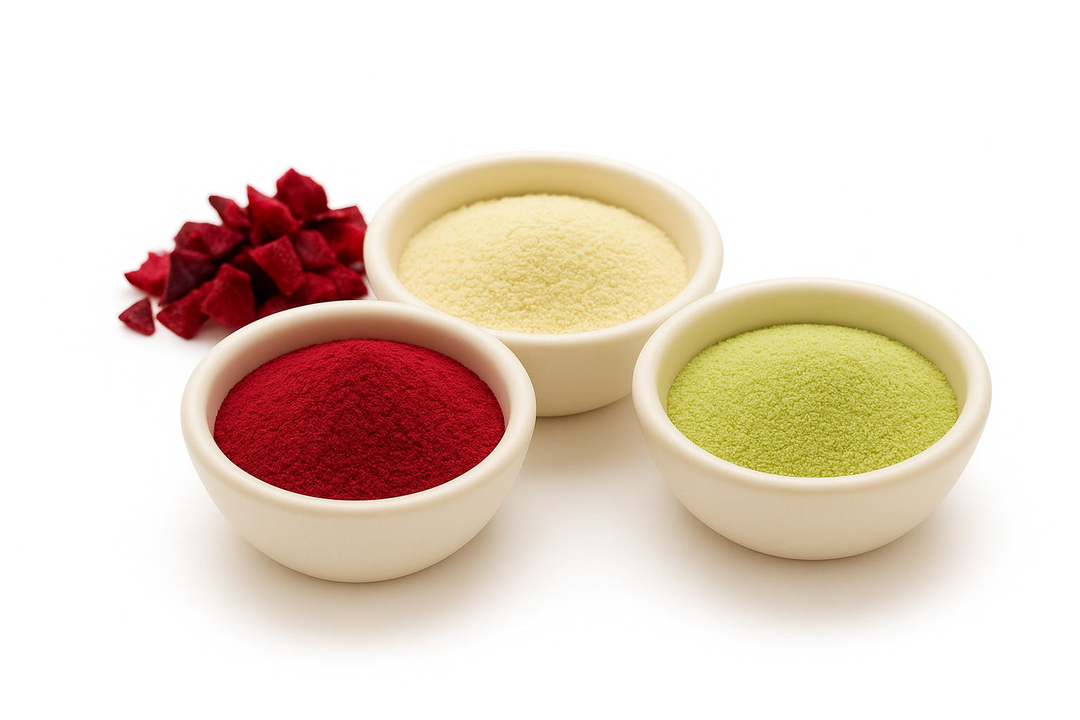
The result is a concentrated powder that delivers the fruit’s nutritional profile in a stable form. A small amount goes a long way.
How to Use Kakadu Plum Powder
Because it is concentrated, start with ¼ to ½ teaspoon per serve and adjust to taste.
Add it to:
- Smoothies
- Yoghurt or chia bowls
- Functional drinks
- Energy blends
- Natural skincare formulations
Expect a bright, tart, citrus-forward flavour.
Where to Buy Kakadu Plum Powder in Australia
If you are looking for high-quality freeze-dried Kakadu Plum powder in Australia, processing method and purity matter.
Look for:
- 100% pure fruit powder
- No fillers or additives
- Freeze-dried processing
- Food-grade handling standards
Naturally Native offers premium freeze-dried Kakadu Plum powder in 100g, 500g and 1kg sizes.
>> Shop Kakadu Plum Powder here
Frequently Asked Questions
How do I use Kakadu Plum powder?
Because it’s concentrated, start with ¼ to ½ teaspoon. Add to smoothies, yoghurt, beverages or energy blends for a vitamin C boost.
Is freeze-dried better than heat-dried?
Freeze-drying helps preserve heat-sensitive vitamins and antioxidants, making it an excellent choice for nutrient retention.
How should I store this powder?
Keep it sealed in a cool, dry place. Refrigeration after opening can help maintain freshness longer.
Final Thoughts
Kakadu plum is a highly nutrient-dense Australian native fruit with exceptionally high vitamin C content and strong antioxidant properties.
While its nutritional profile is well supported by scientific research, most health benefits beyond vitamin C function and antioxidant activity are still being studied.
It is best understood as a vitamin C-rich functional food rather than a medically proven treatment.
References
- Vincent et al. – Vitamin C analysis of Kakadu plum
- University of Queensland – Vitamin C levels in Kakadu plum
- He et al. (2023) – Nutritional properties of Kakadu plum
- Zhou et al. (2023) – Bioactive properties
- Zhou et al. (2023) – Functional food applications
- NIH Vitamin C Fact Sheet
- Healthline – Vitamin C content in foods
We aim to provide evidence-based information and reference scientific sources where available. However, research into native foods is ongoing and evolving. This article is for informational purposes only and does not constitute medical advice. Please read our Disclaimer for more information.






Leave a comment